Debunking common gambling myths What you really need to know
Understanding the House Edge
One of the most common myths about gambling is that players can consistently beat the house. This misconception stems from the belief that luck plays a more significant role than statistical probabilities. In reality, every casino game has a built-in advantage for the house, often referred to as the house edge. This edge ensures that, over time, the casino will always profit from the games, regardless of individual player success. For those interested in exploring innovative gaming options, you might want to check out https://plinko-app-real-money.com/bc-game/ for a fresh twist on classic games.

For instance, in games like roulette, the presence of a zero or double zero gives the house a significant edge. Even in games thought to be skill-based, such as poker, the house still takes a percentage of each pot. Understanding this can help players set realistic expectations and approach gambling as a form of entertainment rather than a surefire way to make money.
Moreover, players often misunderstand the house edge’s implications. Just because a player wins on a particular night doesn’t mean they’ll win consistently over time. Many believe they can find strategies to outsmart the house, but in most cases, the mathematical probabilities are designed to favor the casino. Recognizing this reality is crucial for anyone who enjoys gambling responsibly.
The Role of Luck versus Skill
Another prevalent myth is that gambling outcomes are purely a product of luck. While luck undoubtedly plays a role in games like slots or dice, many games, such as blackjack and poker, incorporate elements of skill. Players often believe they can completely rely on instinct or chance, but understanding the rules, strategies, and probabilities can enhance their chances of winning.
For instance, in poker, successful players learn to read opponents, calculate odds, and adapt their strategies based on game dynamics. This strategic approach can significantly impact their overall results, illustrating that skill does indeed have a considerable influence in specific contexts. However, many players mistakenly neglect these elements, relying solely on luck, which can lead to substantial losses.
Players should also be aware that even in skill-based games, luck will still play a crucial role. A seasoned poker player can make all the right decisions and still lose due to an unfortunate turn of events. Thus, while skill can improve a player’s prospects, it is essential to remember that no outcome is guaranteed, and a responsible mindset should prevail.
The Myth of “Hot” and “Cold” Machines
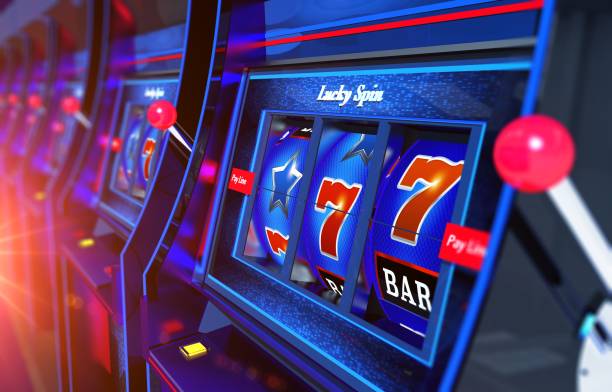
Many gamblers believe in the notion of “hot” and “cold” machines, especially in slot games. This belief suggests that certain machines will pay out more frequently than others based on previous outcomes. However, this is rooted in a misunderstanding of how random number generators (RNGs) work. Each spin on a slot machine is independent of the last, and the RNG ensures that outcomes are random and unpredictable.
For example, a player might notice that a particular machine hasn’t paid out in a while and assume it’s “due” for a win. This leads to the myth that by playing longer, the chances of hitting a jackpot will increase. In reality, the outcome of each spin is unaffected by previous spins, making such beliefs misleading and potentially harmful to a player’s bankroll.
Instead of focusing on these misconceptions, players should understand that winning or losing at slots is purely a game of chance. A responsible approach to gambling should involve setting limits and enjoying the gaming experience rather than chasing perceived patterns that do not exist.
The Illusion of Gambler’s Fallacy
The gambler’s fallacy is another widespread myth that often leads to poor decision-making. This fallacy occurs when individuals believe that past events will influence future outcomes in random games. For example, a player might think that after several losses, a win must be imminent, leading them to increase their bets unnecessarily. This line of thinking can result in significant financial losses.
Understanding the gambler’s fallacy is crucial for developing a responsible gambling approach. Players must recognize that outcomes in games of chance are independent and do not follow patterns based on previous results. This understanding can help players avoid the trap of chasing losses and making impulsive betting decisions, which often compound their financial difficulties.
To counter the gambler’s fallacy, it’s essential for players to maintain a clear understanding of the odds and to set strict limits on their betting. Staying disciplined and sticking to a predetermined strategy can mitigate the risks associated with emotional decision-making. Ultimately, recognizing this myth helps players cultivate a healthier relationship with gambling.
Exploring Online Gambling Platforms
As gambling continues to evolve, online platforms have gained immense popularity, providing players with various gaming options and experiences. However, myths surround online gambling that can deter potential players. One common misconception is that online casinos are inherently less trustworthy than brick-and-mortar establishments. In reality, reputable online casinos operate under strict regulations and employ advanced security measures to protect player data.
For instance, licensed online casinos undergo regular audits and utilize random number generators to ensure fairness in their games. This transparency and adherence to regulations provide players with the assurance that they are engaging in a secure and fair gaming environment. Therefore, players should conduct research to identify trustworthy platforms rather than dismissing online gambling based solely on myths.
Moreover, online gambling offers unique advantages such as convenience and a broader selection of games. Players can enjoy their favorite games from the comfort of their homes, without the need to travel to a physical casino. Engaging with online gambling can be a thrilling experience when approached responsibly, understanding the myths and realities of this evolving industry.